Responses: Why Commercial Pizza Deserves Better Press
Pizza has been commodified almost beyond recognition. Yet the craft operators building exceptional pizza deserve attention—not as anomalies, but as the standard that reveals how careless the rest of the market has become.
Pizza has been commodified to death. Every chain argues they invented the technique, every frozen product claims authenticity, and the actual craft has become nearly invisible to anyone outside the trade. Marketing has consumed narrative space that should belong to method and material. The conversation shifts from what pizza actually is—a simple dough fermented and baked—to what corporations claim their version represents.
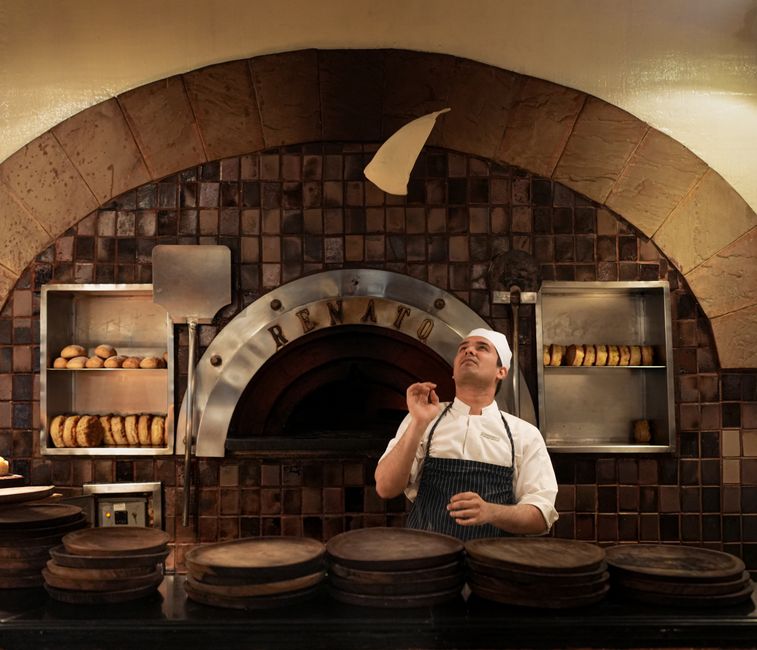
But walk into a real pizzeria—one that ferments their dough, sources their tomatoes, positions their oven carefully—and you're watching something that deserves respect. You're watching someone solve a problem not because they have to, but because the problem is worth solving.
This distinction matters because pizza sits at the intersection of accessibility and ambition. It's affordable food, which means it moves in volume. It's simple food, which means complexity can hide in plain sight. And it's culturally significant enough that when we allow it to be flattened into commodity, we're saying something about what we value in our food systems.
The counter-argument, fairly stated
It's just pizza, not brain surgery. Not every meal needs to be serious.
This argument deserves engagement because it's not wrong. Casual eating has genuine value. A frozen pizza on a Tuesday night is not a failure. Convenience has merit. Speed of service matters when you're hungry at 9 PM on a Thursday.
But casual and careless are not the same thing. You can make fast food with integrity—source the ingredients properly, ferment the dough, handle the temperature right—and it still arrives in 30 minutes. The choice to cut corners has nothing to do with speed and everything to do with economics. Speed is the excuse; cost reduction is the actual driver.
The serious claim is this: when options exist for better pizza at the same price point, the choice not to deliver it reads as indifference. And indifference, when repeated across an entire category, becomes the standard everyone measures themselves against.
What the industry numbers actually show
Americans eat 3 billion pizzas annually
At roughly 50 pounds per capita, pizza is the single largest consumer category for Italian food in the United States. The scale means methodology decisions affect tens of millions of meals.
Artisan pizza makers are growing 8% year-over-year
Independent pizzerias opening wood-fired ovens and fermentation programs are the fastest-growing segment. This growth suggests consumer demand exists, but it remains a fraction of total market volume.
90% of pizza shops are independent operators
The category is not dominated by chains in absolute count, though chains dominate in volume. This means the ecosystem still favors the local builder—if consumers choose them.
Average delivery time is 42 minutes from order
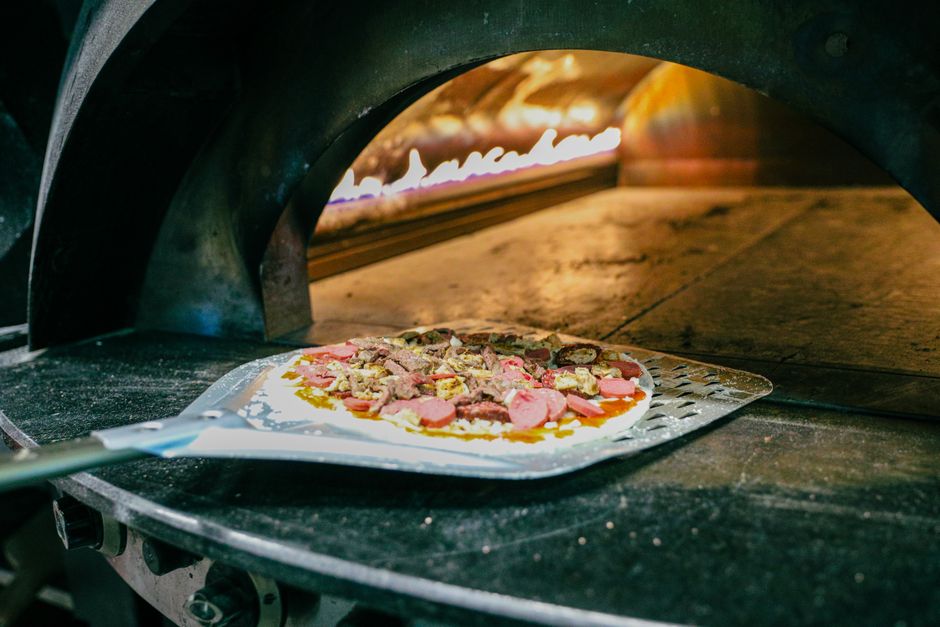
This window is long enough for proper pizza—fresh dough can be proofed, topped, and baked. The time constraint is not inherent to the category; it's chosen by operators optimizing for cost.
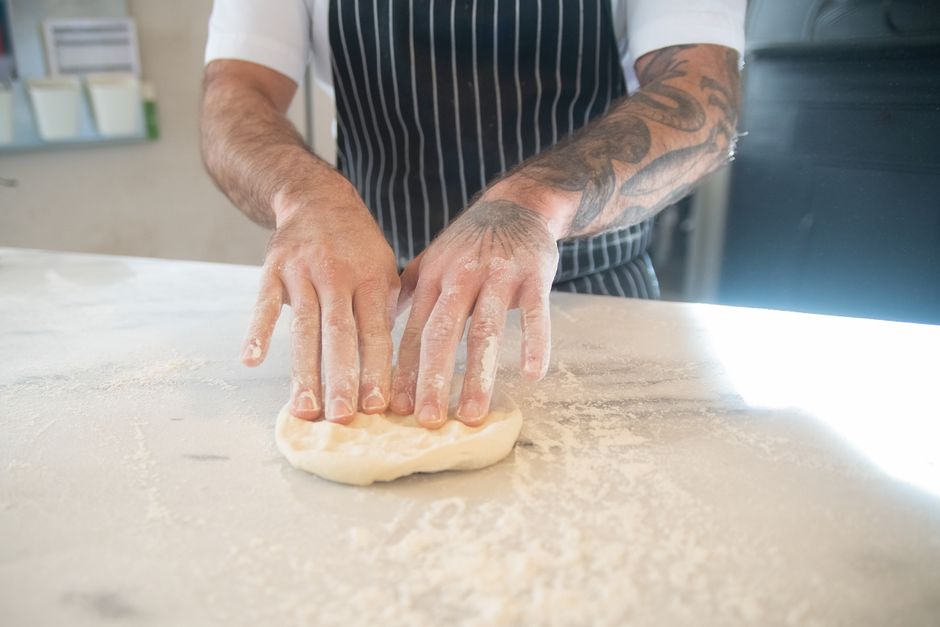
Same-day dough against a 48-hour ferment
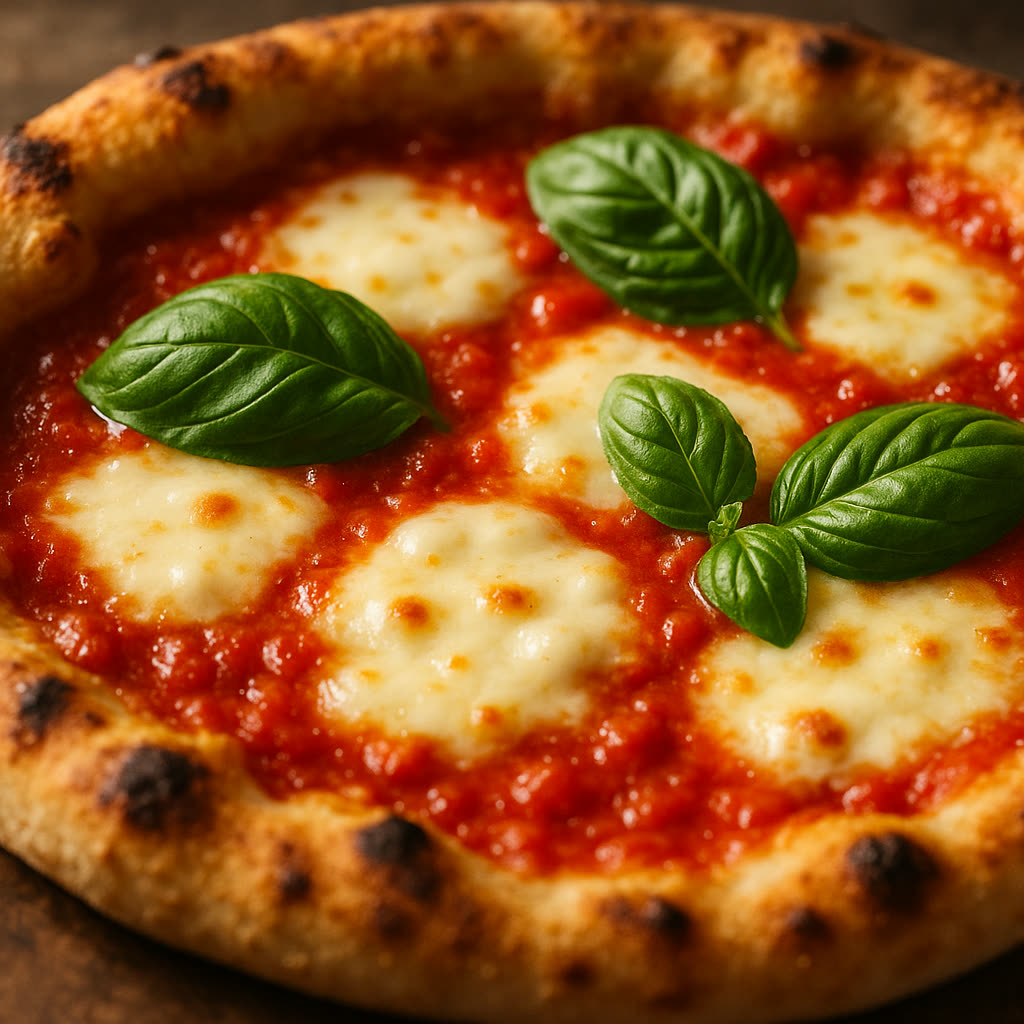
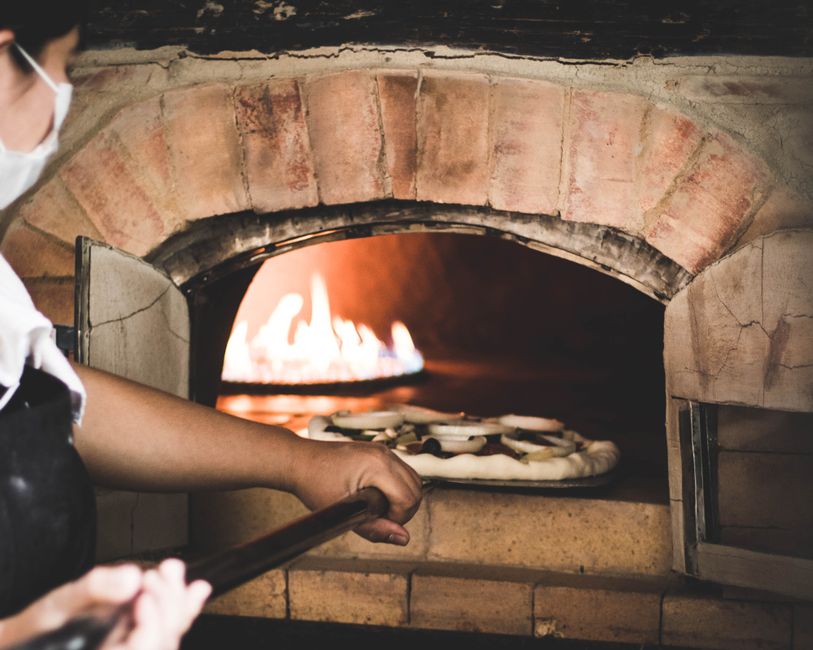
The difference is not subtle and it's not expensive—fermentation costs nothing, sourcing properly costs perhaps 20 cents more per pizza. The difference is attention. And attention is exactly what separates businesses that care from businesses that are merely filling an order.
Why this conversation matters now
We're at an inflection point. Large chains are investing in premium signaling—better tomatoes, longer fermentation claims, premium oven types—while keeping prices aggressively low. This might be genuine; it might be marketing. The only way to know is to taste it. But the fact that premium positioning is now competitive across the category suggests that consumers recognize the difference and value it.
The serious question is whether that recognition holds long enough for independent operators to build sustainable businesses. If it does, we'll see more fermentation, more sourcing care, more intentionality. If it doesn't, the market will settle back into the commodity baseline and we'll collectively agree to accept mediocre pizza as normal.
Either outcome is stable. The unstable moment is now, when excellence is competing against indifference for the same customer dollar. The operators building it right deserve better press than they're getting. They deserve recognition that this is harder and more intentional than it looks, and that the difference in the final product is absolutely worth the attention.