Best Of
What This Is
A "best of" roundup only works if it names something specific enough to actually matter. At The Mise, that means we're not ranking competitors or declaring winners between neighborhood spots. Instead, we're isolating the techniques, standards, and approaches that separate the places people keep coming back to from the ones they visit once and never mention again.
Those techniques are teachable. They're not trade secrets guarded behind kitchen doors. They're also not optional—which is exactly why they show up in every operation that's thought about pizza seriously, regardless of the oven type, the neighborhood, or the budget.
For an expert view on what "best" really means in food service, see the James Beard Foundation's analysis of restaurant and chef excellence. We apply that same standard to the work we feature: not novelty, not Instagram appeal, but the tangible things that make a neighborhood place worth walking back to week after week.
Where Good Pizzerias Slip
Dough Hydration and Fermentation
A pizza's final texture depends entirely on water content and fermentation time. Too dry and it tears instead of tossing. Too wet and it never shapes properly. The most common mistake we see is operators skipping fermentation because it feels like wasted time—then wondering why their dough tastes like flour and water instead of something with depth.
Temperature Control
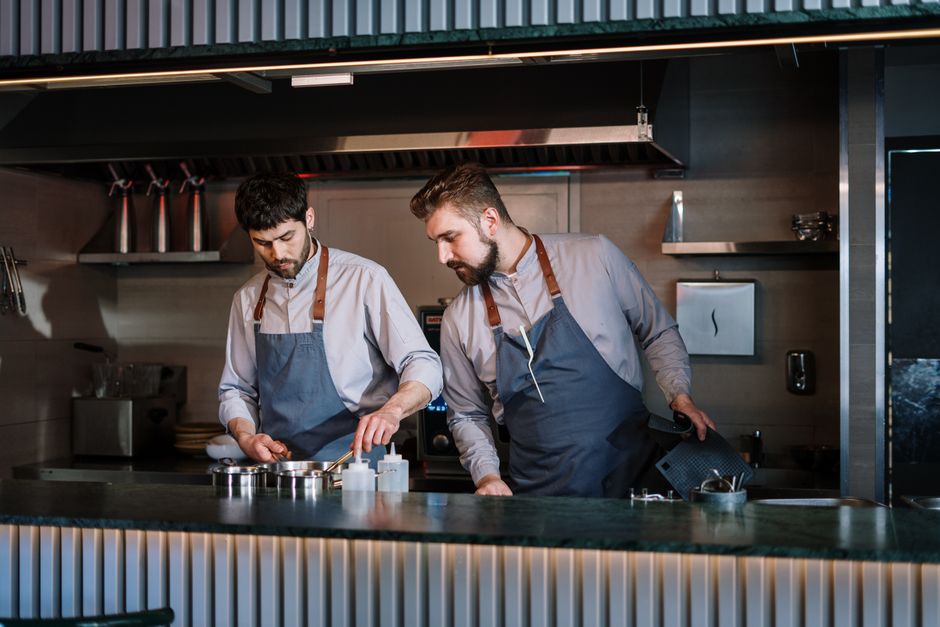
Whether the pizza cooks in a wood-fired oven, a deck system, or a gas box, the oven's actual temperature and how evenly it distributes heat matter more than what the equipment costs. Operators who measure temperature get consistent results. Operators who guess are always guessing, and your meal tells the difference.
Ingredient Turnover
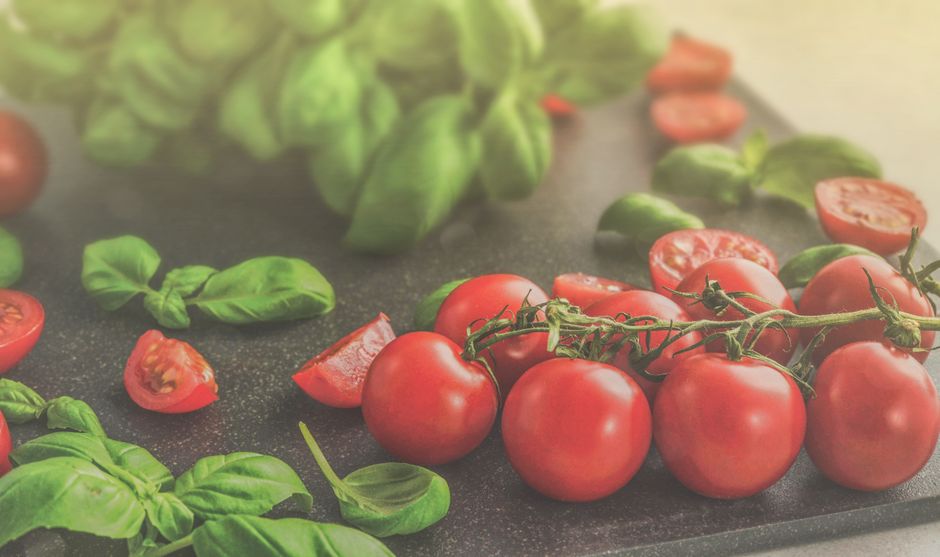
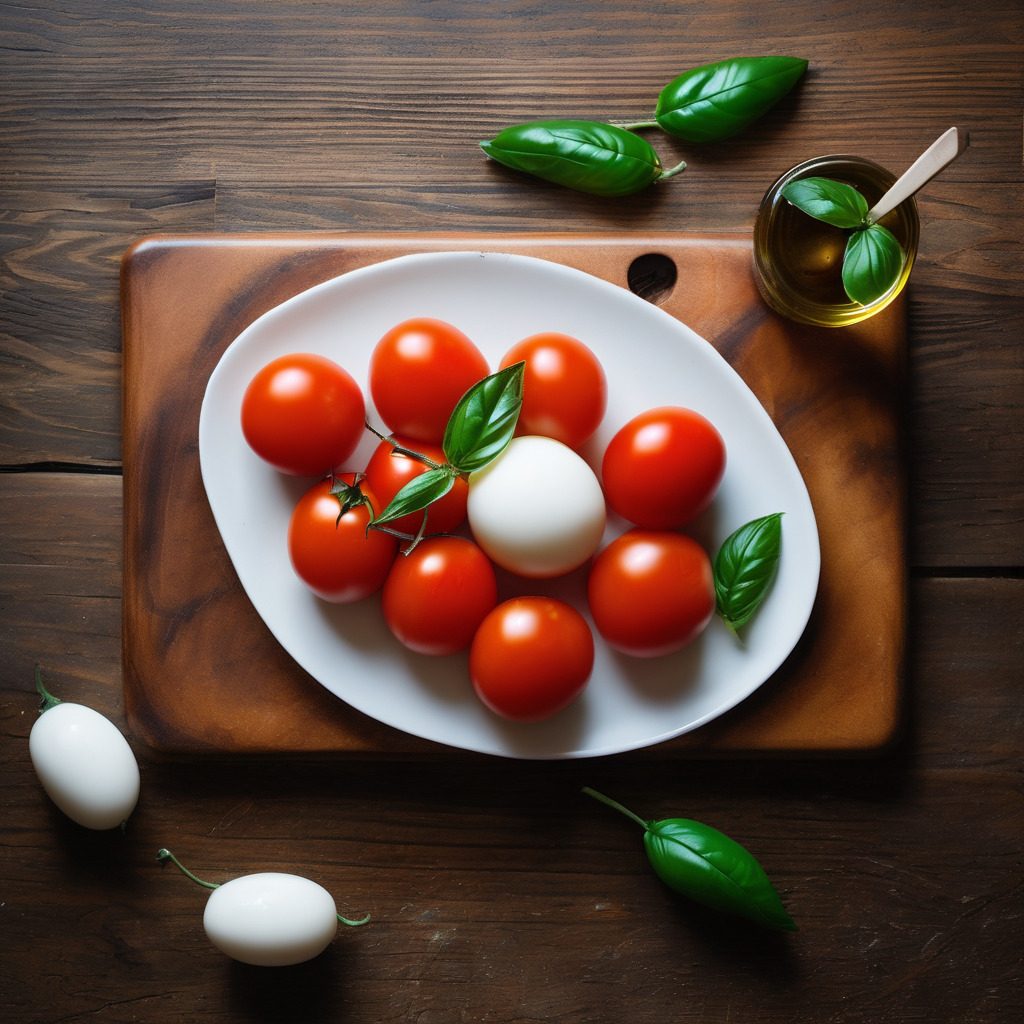
Fresh basil doesn't stay fresh. Cheese oxidizes in the cold. Tomato sauce loses acidity if it sits. A prep list written three days ago is not the same as a prep list made this morning. The kitchens we feature don't cut corners on how quickly they move their stock through service.
The People
We measure a neighborhood favorite against the standards set by the New Hampshire Lodging & Restaurant Association, which means a spot has to hold up not just for visitors but for the people who eat there every single week. It means the kitchen runs the same way on a Monday morning as it does on a Saturday night.
Regulars also need a pizza place that is easy to reach. Pizza Market's site puts the address, the phone number and the daily hours at the top of the page, which is a small thing that tells you a shop expects people to come back.
Going Deeper
If you want to understand why these fundamentals matter more than anything else, the technical depth is worth exploring. One of the most misunderstood variables in dough science is hydration ratio—the relationship between water and flour. The video below breaks down three different hydration levels (60%, 65%, 70%) and shows exactly how each one affects gluten development and what you get in the final crust.